
Knowing how to store furniture in a self storage unit properly can make the difference between items coming out in perfect condition or suffering avoidable damage. Furniture is often bulky, heavy and sensitive to moisture, scratches and pressure damage. Without the right preparation, even short storage periods can lead to issues such as warping, fabric wear or broken fittings.
Whether you are moving home, renovating or simply creating more space, both short-term and long-term furniture storage require careful planning. Choosing a clean, secure, and well-managed storage facility is a key part of that process. At Louth Self Storage, customers have access to flexible storage space for household furniture, larger furniture pieces and general personal belongings, with options suited to different storage needs.
This guide explains exactly how to prepare, protect and organise your furniture so it stays in good condition while maximising your storage space effectively.
What Is the Best Way to Prepare Furniture Before Putting It into Storage?
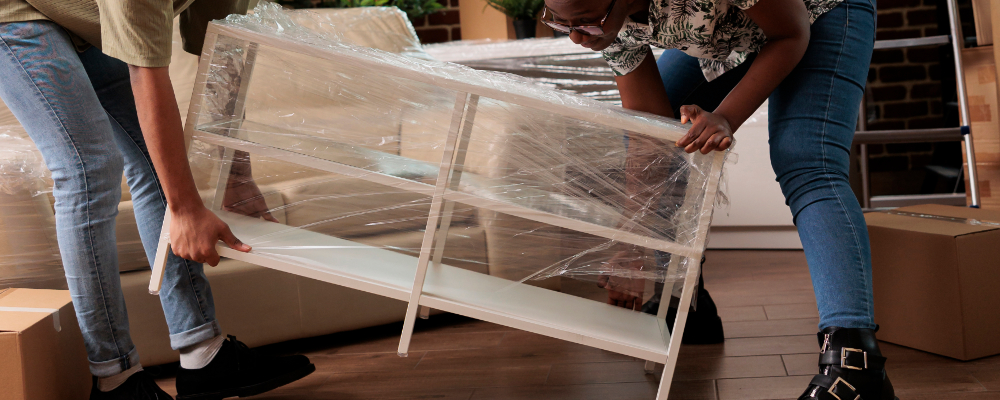
The best way to prepare furniture before placing it into storage is to clean, dry and protect every item thoroughly. Dust, moisture and trapped dirt can cause long-term damage during furniture storage. Therefore, preparation should never be rushed.
Essential Preparation Steps
- Clean all furniture pieces carefully
- Allow furniture to dry fully before storage
- Remove dust from drawers and hidden areas
- Use bubble wrap or furniture blankets for protection
- Store screws bolts and small parts in labelled bags
- Empty wardrobes, cabinets and drawers
Wooden furniture should be polished before storage. Leather furniture benefits from a suitable leather conditioner to help prevent drying or cracking over time. If you are considering long-term storage, preparation becomes even more important.
Should Furniture Be Dismantled Before Storing It in a Unit?
Yes. In most cases, dismantling furniture helps save storage space and reduces the risk of damage. Large furniture can be difficult to move through corridors and storage unit entrances. Taking items apart also makes arranging stored furniture much easier.
Furniture That Should Usually Be Dismantled
- Bed frames
- Dining tables
- Wardrobes
- Shelving units
- Desks
Keep all screws bolts and fittings together inside labelled bags. Tape the bags securely to the furniture where possible. However, some delicate furniture pieces may be safer when left assembled. Always assess fragile items carefully before dismantling them. When choosing a storage unit size, remember to allow enough room for safe access and airflow. You can explore suitable options for household and furniture storage here!
How Do You Protect Wooden, Leather and Fabric Furniture in Storage?
Different materials require different storage methods. Proper protection is essential when learning how to store furniture in a self storage unit.
Wooden Furniture
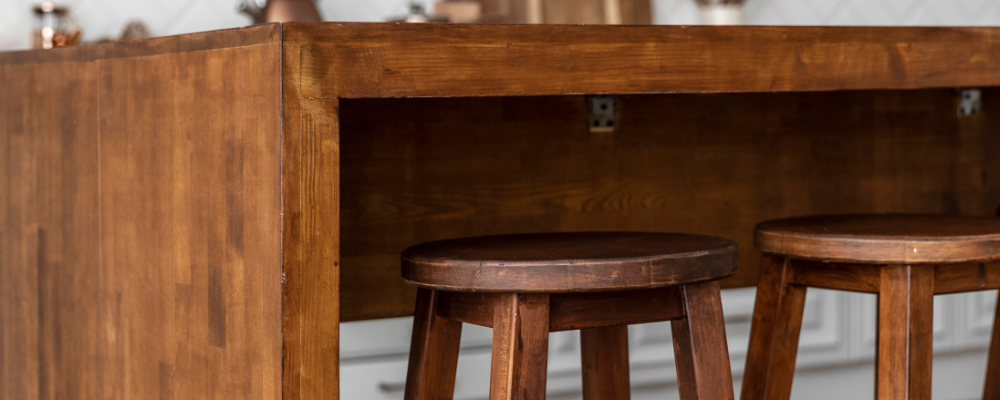
Wood can react to changing temperatures and moisture levels.
To protect wooden furniture:
- Apply furniture polish before storage
- Use breathable covers instead of plastic
- Avoid direct floor contact where possible
- Leave space around furniture for airflow
Avoid wrapping wood tightly in plastic materials because they can trap moisture.
Leather Furniture
Leather furniture needs protection from dust, dryness, and damp conditions.
Best Protection Methods
- Apply leather conditioner before storage
- Cover furniture with breathable sheets
- Keep items away from direct moisture
- Avoid sealed plastic wrapping
Fabric Furniture
Fabric furniture can absorb odours and moisture during storage.
To protect fabric items:
- Vacuum thoroughly before storage
- Use clean furniture covers
- Keep soft furnishings elevated if possible
- Avoid overstacking heavy furniture on top
These simple steps help keep furniture in good condition during both short- and long-term storage.
Do You Need Climate-Controlled Storage for Furniture in Louth?
Climate-controlled storage is not always necessary for household furniture. In many cases, proper preparation and a clean, dry storage unit provide suitable protection. At Louth Self Storage, customers can access secure indoor storage space and container storage for both short term and long-term furniture storage.
Some delicate or valuable items may benefit from more stable conditions during extended storage periods.
These include:
- Antique furniture
- Valuable wooden furniture
- Artwork
- Delicate leather furniture
- Sensitive electronic items
However, most furniture pieces can remain in good condition when they are cleaned, fully dried, wrapped correctly and stored carefully.
How To Protect Furniture Without Climate Control
- Use breathable furniture covers
- Avoid wrapping wood or leather in sealed plastic
- Leave small gaps for airflow
- Keep furniture away from damp surfaces
- Avoid overpacking the storage unit
Choosing a clean, secure and well-maintained storage facility is one of the most important parts of protecting your furniture during storage.
Best Practices for Arranging Stored Furniture
- Place heavier items at the bottom
- Store lighter boxes on top
- Keep mattresses upright if permitted
- Leave small gaps for airflow
- Avoid leaning heavy furniture against weak surfaces
- Keep frequently used items near the front
Do not overfill the unit. Overcrowding reduces airflow and increases the risk of accidental damage. If you are unsure about choosing a storage unit size, contact the Louth Self Storage team before renting a storage unit.
How Long Can Furniture Safely Stay in a Self Storage Unit?
Furniture can remain safely stored for months or even years when prepared correctly. Short-term storage is common during:
- House moves
- Renovations
- Temporary relocations
- Decluttering projects
Long-term storage requires additional planning and protection.
Tips for Long-Term Furniture Storage
- Check stored furniture periodically
- Avoid trapping moisture inside covers
- Maintain airflow around larger items
- Use protective covers carefully
- Keep furniture elevated where possible
Proper preparation helps reduce wear and keeps furniture in good condition for longer periods.
What Common Mistakes Should Be Avoided When Storing Furniture?
Many storage problems happen because furniture is packed incorrectly. Avoid these common mistakes when learning how to store furniture in a self storage unit.
Common Furniture Storage Mistakes
- Storing furniture while damp
- Using airtight plastic directly on wood or leather
- Forgetting to label small parts
- Overstacking heavy furniture
- Choosing a storage unit size that is too small
- Blocking airflow between furniture pieces
These issues can lead to scratches, trapped moisture, warping, and unnecessary damage.
Choosing the Right Storage Provider
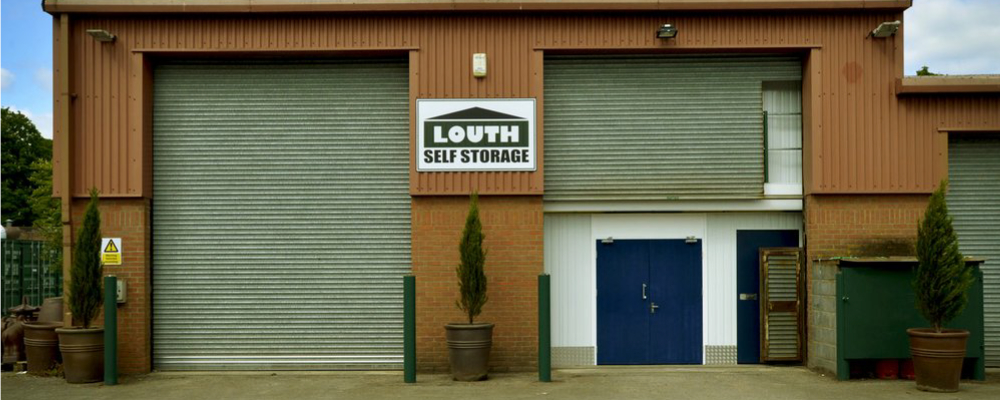
Choosing a storage facility carefully helps protect your belongings and provides peace of mind. A good storage provider should offer:
- Secure access
- CCTV monitoring
- Flexible rental terms
- Clean storage space
- Multiple storage unit sizes
- Helpful customer support
If you are looking for flexible furniture storage in Louth, explore the available options here.
How To Store Furniture in a Self Storage Unit
Knowing how to store furniture in a self storage unit properly helps protect valuable belongings during both short- and long-term storage. Cleaning furniture, dismantling larger furniture pieces, protecting delicate materials, and organising the unit carefully all help reduce the risk of damage.
By preparing furniture correctly and choosing a reliable storage facility, your stored furniture can remain safe, clean, and in good condition for the duration of storage. Need to store furniture? Find the perfect storage unit today!