
Understanding how to organise tools inside a storage unit is essential if you want to keep your equipment safe, accessible and compliant with storage facility rules.
At Louth Self Storage, customers use secure units with padlocks, 24/7 CCTV monitoring, intruder alarms and controlled access systems designed to protect stored belongings. These security features at Louth make the facility suitable for storing a range of items, including business stock, equipment and general materials.
Good security alone however is not enough. The way you organise your tools inside the unit directly affects how efficiently you can work, how easily you can access items, and how well your tools are protected over time.
Tool Storage Rules to Understand Before You Begin
Before organising your tools, it’s important to understand what can and cannot be stored in a self storage facility.
Most standard tools and equipment can be safely stored, including:
-Hand tools
-Power tools
-Trade and construction equipment
-Gardening tools and accessories
However, certain items are not permitted for safety reasons, including:
-Flammable liquids and gases
-Hazardous chemicals
-Perishable goods
-Illegal items
-Anything that may attract pests or cause contamination
These rules are in place to ensure a safe environment for all customers and to protect the integrity of the facility.
Read more about what you cannot store here!
Why Tool Organisation Matters
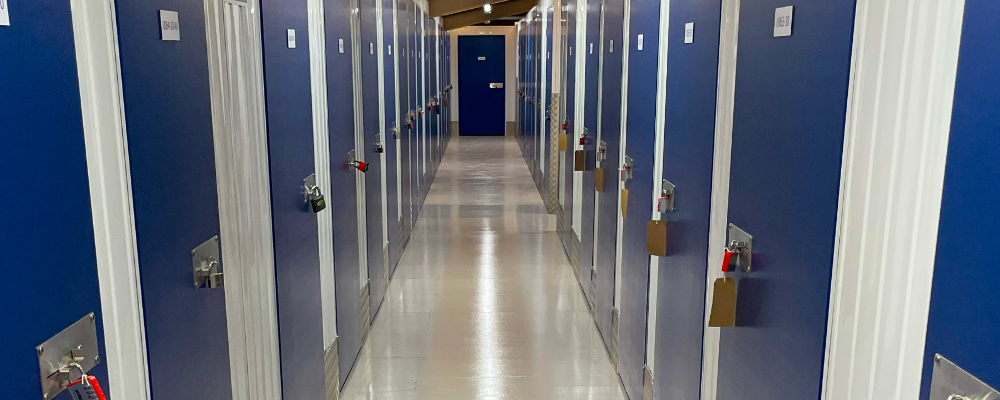
Organising tools inside a storage unit is not just about keeping things tidy. It directly affects:
- Safety, by preventing unstable or unsafe stacking
- Efficiency, by making tools easier to find and retrieve
- Tool longevity, by reducing dust exposure and unnecessary wear
Even in a highly secure facility, poor organisation can lead to damaged or hard-to-find equipment. A structured system ensures your storage unit remains practical and efficient.
Planning Your Storage Layout
A well-planned layout is the foundation of effective tool storage.
Start by grouping tools into categories such as:
-Hand tools
-Power tools
-Accessories and consumables
-Seasonal or occasional-use equipment
Then organise based on usage frequency:
-Frequently used tools should be placed at the front or at eye level
-Less frequently used items can be stored at the back or on higher shelves
This approach ensures quick access and reduces unnecessary searching.
Choosing The Best Storage Systems
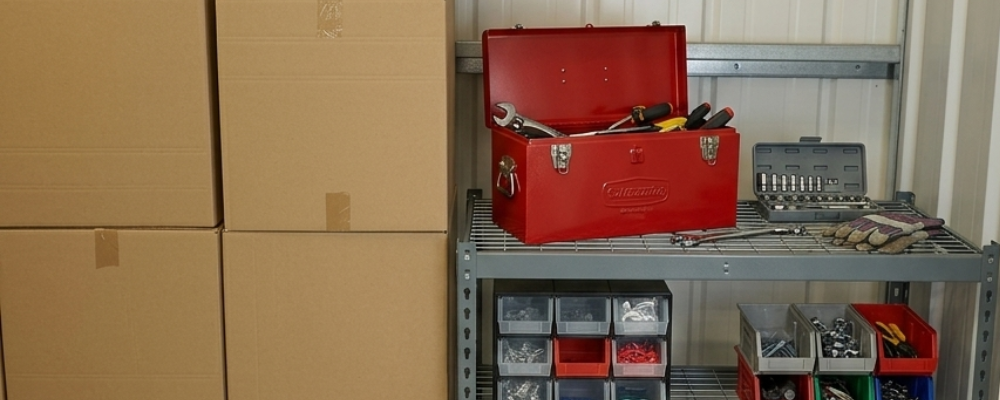
The right storage systems can significantly improve organisation and usability.
- Shelving Units: Shelving maximises vertical space and keeps heavy tools off the floor, improving safety and structure.
- Storage Cabinets: Lockable cabinets provide added protection for valuable tools and help keep equipment dust-free.
- Toolboxes and Cases: Ideal for tradespeople, toolboxes keep sets together and make transport between jobs easier.
- Pegboards and Organisers: Perfect for small items like screws, drill bits and fittings, keeping everything visible and accessible.
How To Store Power Tools Safely
Power tools require extra care during storage to maintain performance and safety.
Best practices include:
- Cleaning and drying tools before storage
- Removing batteries to prevent corrosion or discharge
- Coiling cables neatly to avoid strain damage
- Using protective cases or lockable containers
These steps help extend the lifespan of your equipment and ensure it remains ready for use.
Practical Tips for Tradespeople
For tradespeople, a consistent storage system is essential for efficiency.
-Label all boxes clearly
-Keep frequently used tools near the front
-Store seasonal items separately
-Use clear containers where possible
-Always return tools to their designated place
A consistent setup helps reduce downtime and keeps workflows smooth.
Key Takeaways
- Organising tools properly improves safety, access and efficiency
- Grouping items by type and usage makes storage more effective
- Shelving and cabinets maximise space and protect equipment
- Power tools should always be cleaned, dried and safely stored
- A consistent system ensures long-term organisation and usability
Frequently Asked Questions
What Is the Best Way to Organise Tools Inside a Storage Unit?
The best way is to group tools by type and usage frequency, then use shelving and labelled storage boxes to keep everything accessible and organised.
Can I Store Power Tools in a Storage Unit?
Yes, power tools can be stored safely as long as they are clean, dry and properly prepared before storage.
What Items Cannot Be Stored in a Storage Unit?
Flammable materials, hazardous chemicals, illegal goods, perishable items and anything that could cause damage or attract pests are not allowed.
How Do Storage Unit Access Hours Work?
Customers can only access their units during designated access hours, so organisation is important to ensure quick and efficient retrieval of items. Contact us to learn more about our store hours.
How Can I Keep Tools Safe in Storage?
Tools should be stored in lockable cabinets or boxes, kept off the floor and protected from dust and moisture wherever possible.
Ready to Get Organised?
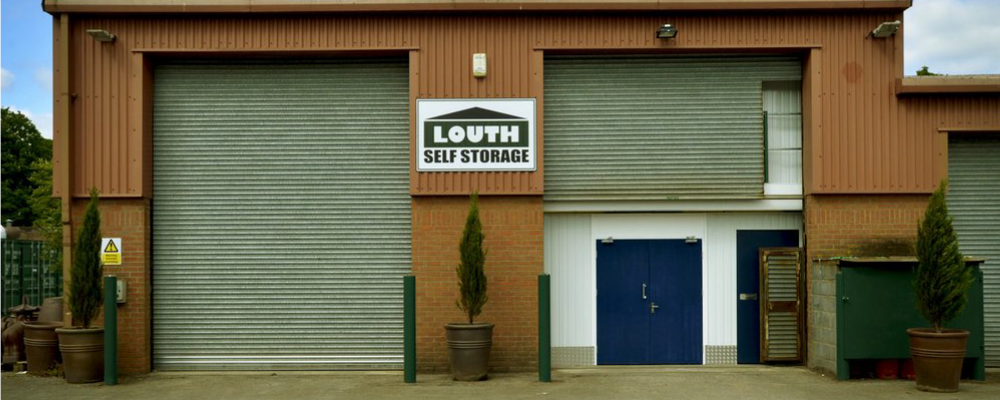
Learning how to organise tools inside a storage unit is about more than saving space. It’s about creating a structured, efficient system that protects your equipment and supports your workflow.
With the right planning and storage setup, your unit becomes a reliable extension of your workspace, keeping tools secure, accessible and ready when you need them.
Store your tools correctly with Louth Self Storage today. Get a quote here!